
What Are Carbide Inserts? A Complete Guide for Machinists & Manufacturers
2026-04-10
In the world of machining, whether you’re a CNC operator, a small workshop owner, or a large-scale manufacturer, the right cutting tools can make or break your productivity, precision, and bottom line. Among the most essential tools in modern metalworking, carbide inserts stand out as a game-changer—but many professionals still don’t fully understand their purpose, how they work, or why they outperform traditional cutting tools. In this comprehensive guide, we’ll answer the question “What are carbide inserts?” break down their key features, types, and applications, and introduce you to Brace Carbide Inserts—your trusted partner for high-performance, cost-effective cutting solutions that elevate your machining operations.
What Exactly Are Carbide Inserts? (And Why They Matter)
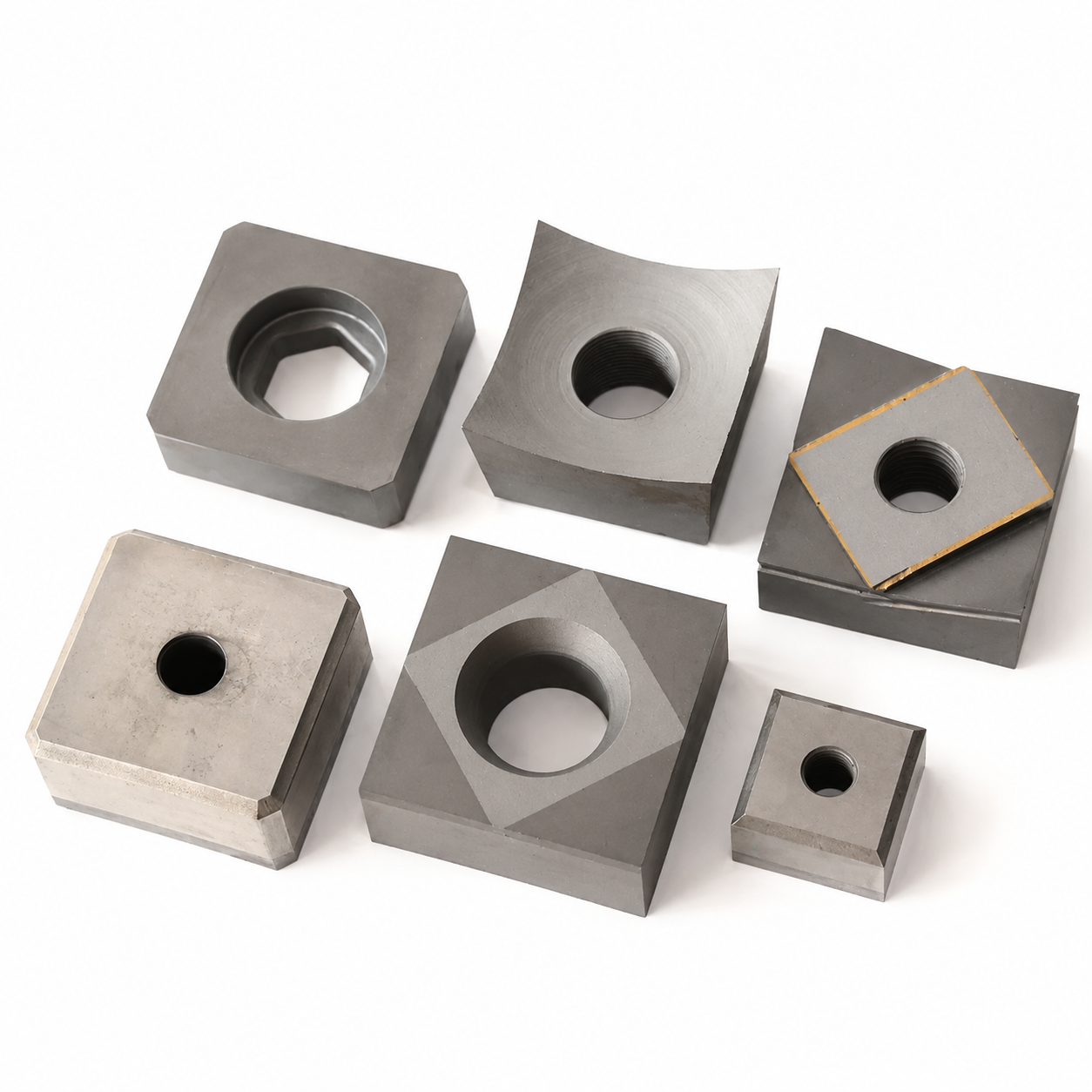
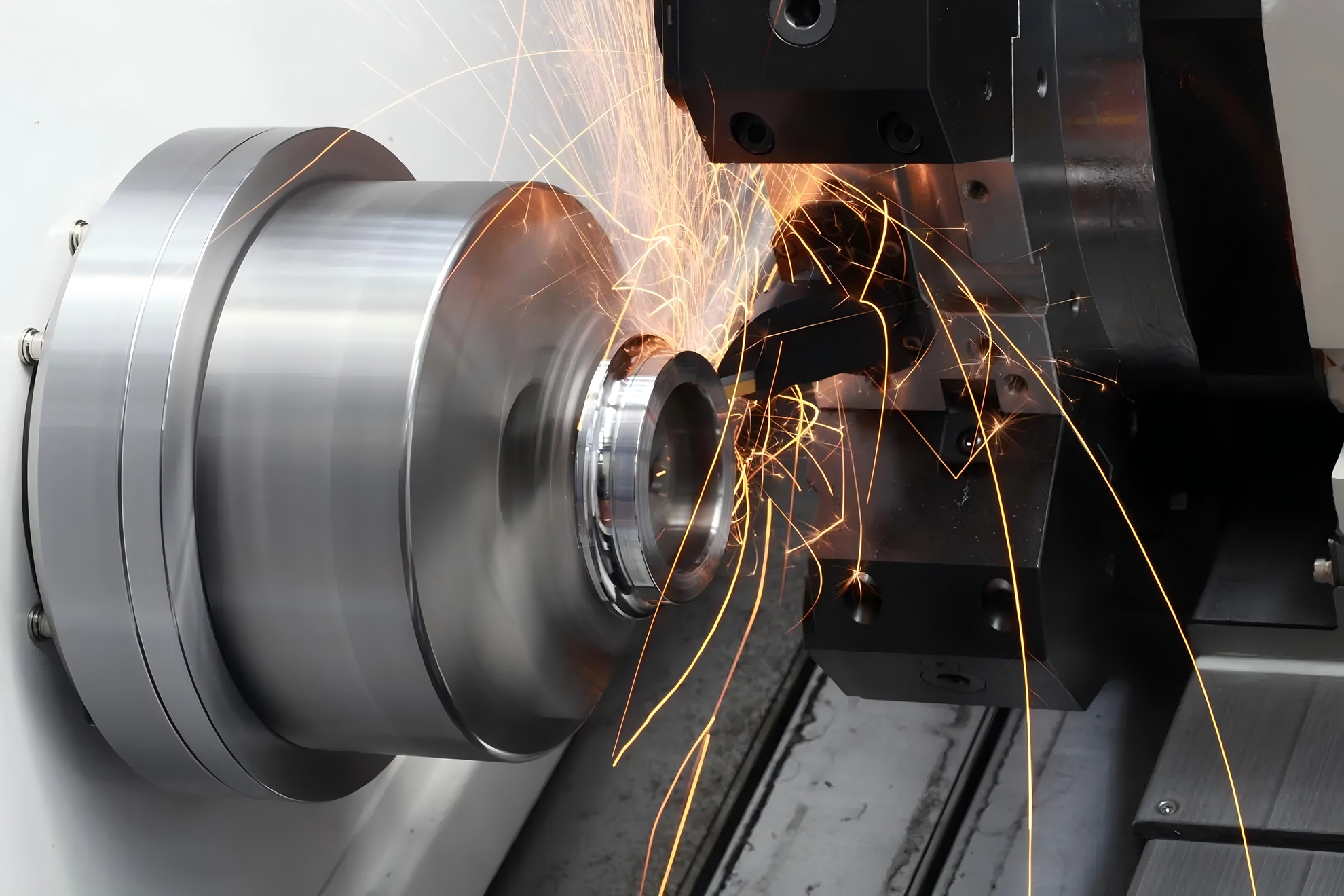
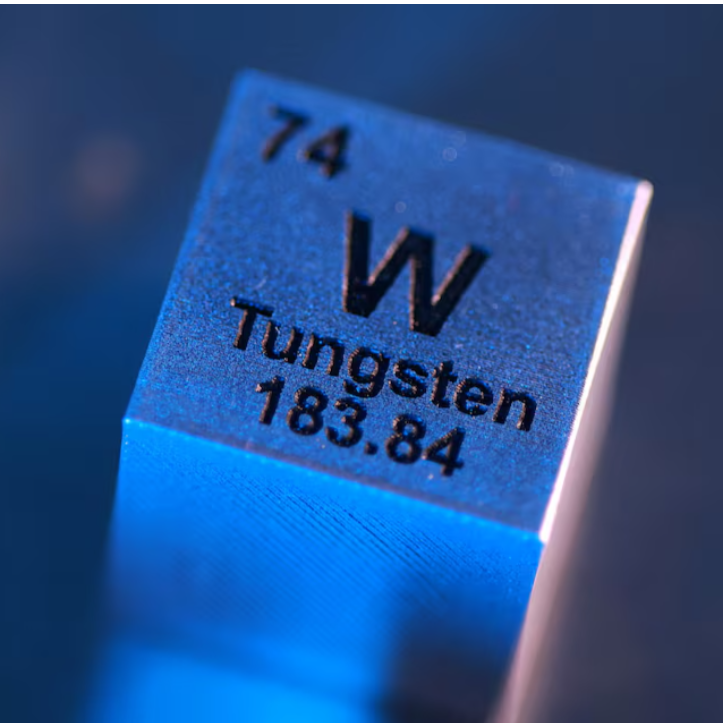
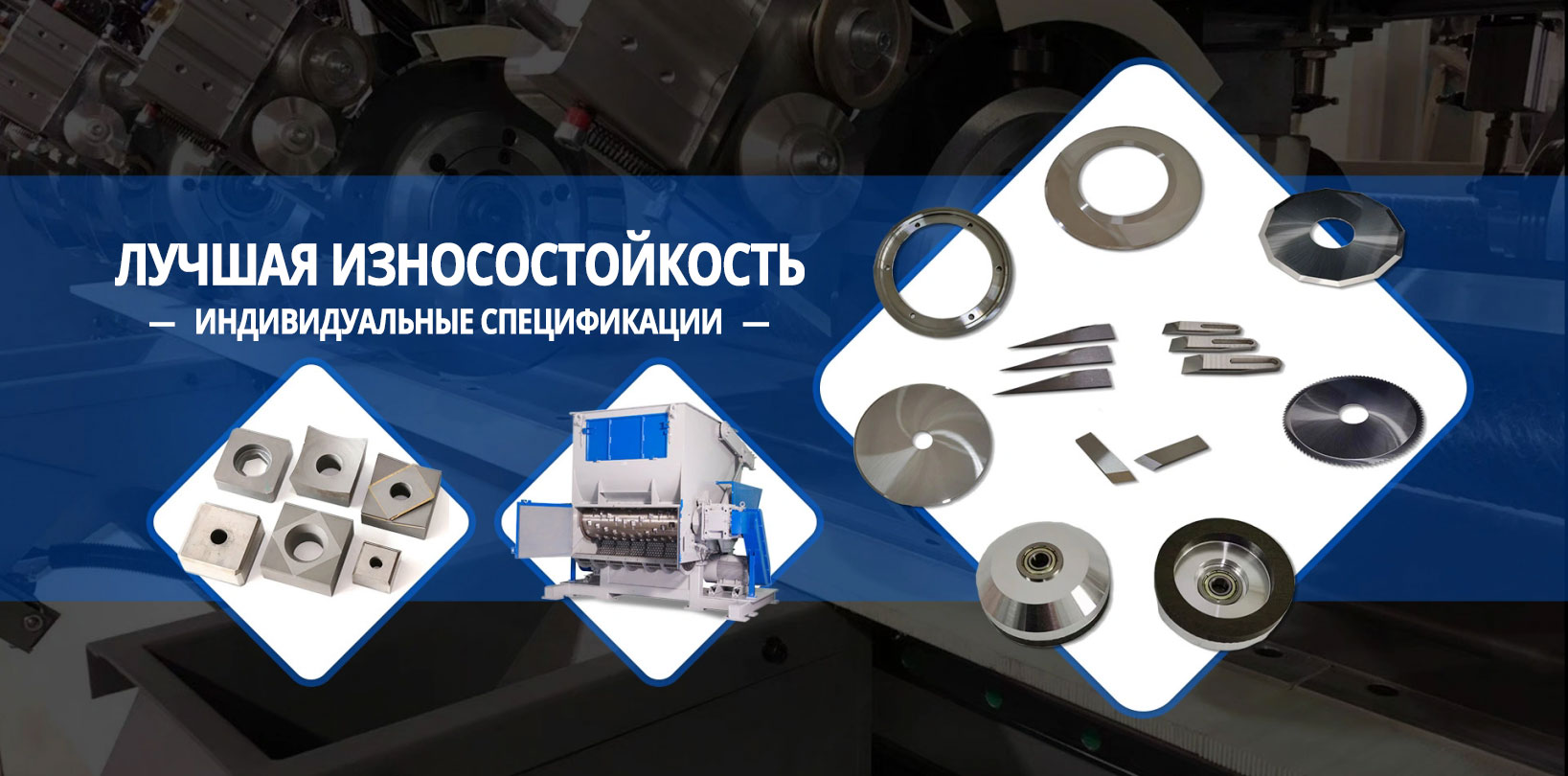
Let’s start with the basics: carbide inserts (also known as cemented carbide inserts) are replaceable cutting elements made from cemented carbide—a composite material consisting of fine tungsten carbide (WC) particles bonded together by a metallic binder, typically cobalt (Co) or nickel (Ni). Unlike solid carbide tools or high-speed steel (HSS) tools, carbide inserts are indexable—meaning you can rotate or flip them to reveal a fresh cutting edge, extending their lifespan and reducing tool replacement costs. They are designed to be mounted on turning, milling, boring, or threading tools, serving as the primary contact point between the tool and the workpiece.
At their core, carbide inserts combine the best of two worlds: the extreme hardness and wear resistance of tungsten carbide (which ranks high on the Mohs scale) and the toughness of the metallic binder, which prevents chipping or fracturing during high-impact machining operations. This unique composition allows them to withstand the high temperatures and pressures generated during cutting, making them far more durable than HSS tools—often lasting 5 to 10 times longer, even when machining tough materials like stainless steel, cast iron, or high-temperature alloys.
For machinists and manufacturers, this translates to fewer tool changes, less downtime, higher material removal rates, and more consistent dimensional accuracy—all of which reduce operational costs and boost productivity. Simply put, if you’re still relying on traditional cutting tools, you’re leaving efficiency and savings on the table.
Key Benefits of Carbide Inserts (Why Machinists Choose Them)
Carbide inserts have become the gold standard in machining for a reason—their benefits directly address the most common pain points of metalworking professionals. Here are the top advantages that make them indispensable:
-
Exceptional Wear & Heat Resistance: Carbide inserts can withstand temperatures up to 1,000°C (1,832°F) without losing hardness or sharpness, making them ideal for high-speed machining and tough materials like carbon steel, stainless steel, and exotic alloys. Their wear resistance also means they hold their cutting edge longer, reducing the frequency of tool changes.
-
Cost-Effective Longevity: While carbide inserts may have a higher initial cost than HSS tools, their indexable design and long lifespan make them far more cost-effective in the long run. Instead of replacing an entire tool when the edge wears, you simply rotate the insert to a fresh edge—or replace just the insert, saving money on tool bodies.
-
Superior Precision & Consistency: Carbide inserts are manufactured with tight tolerances, ensuring consistent geometry and cutting performance across every use. This results in smoother surface finishes, tighter dimensional control, and fewer defects in your workpieces—critical for industries like automotive, aerospace, and medical manufacturing.
-
Versatility Across Applications: Available in a wide range of shapes, grades, and coatings, carbide inserts can be tailored to almost any machining operation—from turning and milling to drilling and threading. They work with both ferrous and non-ferrous materials, making them a versatile solution for diverse workshops.
-
Reduced Downtime: With longer tool life and quick, easy insert changes, carbide inserts minimize the time spent stopping production to replace tools. This is especially valuable for high-volume manufacturing, where even a few minutes of downtime can cost hundreds of dollars.
Common Types of Carbide Inserts (How to Choose the Right One)
Not all carbide inserts are the same—choosing the right type depends on your machining operation, workpiece material, and performance goals. Carbide inserts are typically classified by their shape (ISO codes), grade, and coating, each designed for specific use cases. Here’s a breakdown of the most common types:
1. Shape (ISO Code) Classification
The shape of a carbide insert dictates its cutting behavior, corner strength, and suitability for different operations. Common ISO shapes include:
-
Round (R): Ideal for interrupted cuts and hard-to-index profiles, thanks to multiple usable edges and high toughness. Perfect for milling and turning operations on uneven surfaces.
-
Square (S): A general-purpose shape with four strong corners, suitable for roughing and finishing in turning operations.
-
Triangle (T): Features six usable edges, making it cost-effective for deep cuts and applications requiring positive rake angles.
-
Rhombic (C/D) & Diamond (V): Designed to reach tight radii and shoulders, common in threading, profiling, and precision turning.
2. Grade Classification
Carbide grades are defined by their tungsten carbide particle size and binder content, which determine their hardness, toughness, and temperature resistance. Common grades include:
-
Tungsten-Cobalt (WC-Co): The most common grade, offering a balance of hardness and toughness. Suitable for general-purpose machining of steel, cast iron, and non-ferrous materials.
-
Tungsten-Titanium-Carbide (WC-TiC-Co): Enhanced wear resistance and heat resistance, ideal for high-speed machining of steel.
-
Tungsten-Tantalum-Carbide (WC-TaC-Co): Tougher than WC-Co grades, perfect for interrupted cuts and machining hard, brittle materials.
3. Coating Classification
Coatings enhance the performance of carbide inserts by reducing friction, increasing wear resistance, and improving heat dissipation. Common coatings include:
-
TiN (Titanium Nitride): A gold-colored coating that reduces friction and wear, ideal for general-purpose machining.
-
TiCN (Titanium Carbonitride): Harder than TiN, with better wear resistance for high-speed machining.
-
TiAlN (Titanium Aluminum Nitride): Excellent heat resistance, perfect for dry machining and high-temperature applications.
-
CVD Diamond: Best for non-ferrous and abrasive composites (e.g., aluminum, carbon fiber), but not suitable for steel (diamond reacts with iron at high temperatures).
Meet Brace Carbide Inserts: Your Solution for High-Performance Machining
Now that you understand what carbide inserts are, their benefits, and how to choose them, it’s time to meet the brand that’s redefining performance and reliability in the industry: Brace Carbide Inserts. We know that machinists and manufacturers need more than just a cutting tool—they need a solution that boosts efficiency, reduces costs, and delivers consistent results, no matter the application.
At Brace, we engineer our carbide inserts with a focus on quality, innovation, and user-centric design—combining premium materials, advanced manufacturing processes, and rigorous testing to ensure they outperform the competition. Here’s what sets Brace Carbide Inserts apart:
-
Premium Cemented Carbide: We use high-grade tungsten carbide particles and precisely controlled cobalt binders, ensuring our inserts offer the perfect balance of hardness, toughness, and wear resistance. Our sintering process (hot isostatic pressing) creates a dense, homogeneous structure that withstands extreme machining conditions.
-
Versatile Range for Every Application: We offer a complete line of carbide inserts, including all common ISO shapes (round, square, triangle, rhombic), grades (WC-Co, WC-TiC-Co, WC-TaC-Co), and coatings (TiN, TiCN, TiAlN, CVD Diamond). Whether you’re turning, milling, drilling, or threading—we have the right insert for your needs.
-
Precision Manufacturing: Our inserts are manufactured with tight tolerances (±0.001mm) to ensure consistent geometry and cutting performance. This translates to smoother surface finishes, tighter dimensional control, and fewer defects in your workpieces.
-
Cost-Effective Design: Our indexable carbide inserts are designed to maximize tool life, with multiple usable edges and durable coatings that reduce replacement frequency. We also offer competitive pricing, ensuring you get the best value for your investment.
-
Custom Solutions: If you have unique machining needs (e.g., specialized materials, custom shapes), our team of engineering experts can develop custom carbide inserts tailored to your specific requirements. We work closely with you to understand your challenges and deliver a solution that fits.
-
Global Support: We offer fast shipping, reliable after-sales support, and technical assistance to help you choose the right inserts and optimize your machining processes. Our team of machinists and engineers is always available to answer your questions and ensure you get the most out of your Brace Carbide Inserts.
Ready to Elevate Your Machining with Brace Carbide Inserts? Contact Us Today!
Whether you’re tired of frequent tool changes, struggling with inconsistent precision, or looking to reduce operational costs, Brace Carbide Inserts are the solution. Our inserts are trusted by machinists and manufacturers worldwide for their durability, performance, and value—and we’re ready to help you take your machining operations to the next level.
Curious about which Brace carbide insert is right for your application? Want to get a custom quote, learn more about our product range, or discuss your specific needs? Reach out to our team today. We’ll provide you with expert advice, competitive pricing, and a solution that’s tailored to your business. With Brace Carbide Inserts, you’ll get the performance you need, the reliability you can trust, and the savings you deserve.
Don’t settle for subpar cutting tools—upgrade to Brace Carbide Inserts and experience the difference for yourself. Your next high-precision, efficient machining project starts with Brace.
Brace Carbide Inserts: Your trusted supplier for high-quality carbide inserts, tungsten carbide inserts, indexable carbide inserts, and custom carbide cutting tools. We serve machinists, manufacturers, and workshops worldwide with reliable, cost-effective solutions for all machining applications.
Последние новости